
01
Recruitment and side work
Watch for deposits, training charges, task scams, easy high pay and document retention.
Know the warning signsRecognise the risk · Find your next step
Keep conversations, accounts and payment records. Build a clear timeline, then use the evidence guide to understand your next step.

Where to start
Save complete conversations, payment records and original screenshots without editing.
List accounts, platforms, payment amounts and references in time order.
Explain the incident to your bank, platform and local police with checkable records.
Evidence is the foundation
Keep the original files you already have. Use the checklist to add account, payment and timing details without losing important information.
Review the records you have saved. Keep the original materials safe when you finish.
START HERE
Check off the records you have saved, one step at a time.
Prepared 0/5
For your own review on this page. Nothing is uploaded; refreshing the page resets your progress.
Risk awareness
Common paths include recruitment, investment, transfers, social contact and professional impersonation.
Watch for deposits, training charges, task scams, easy high pay and document retention.
Know the warning signs
Watch for guaranteed returns, fake platforms, fake support and pressure to add funds.
Know the warning signs
Watch for refund, customer-service, prize and account-warning impersonation.
Know the warning signs
Watch for trust-building followed by transfers, investing, loans or proxy payments.
Know the warning signs
Watch for law-firm, international-agency or recovery-service impersonation and new fees.
Know the warning signsAvoid further fraud
People posing as lawyers, enforcement agents or recovery services may ask for unfreezing fees or deposits. Verify their identity and contact details, and keep the conversations.
Pause and verify requests for more payments, guaranteed recovery or passwords.
Background material
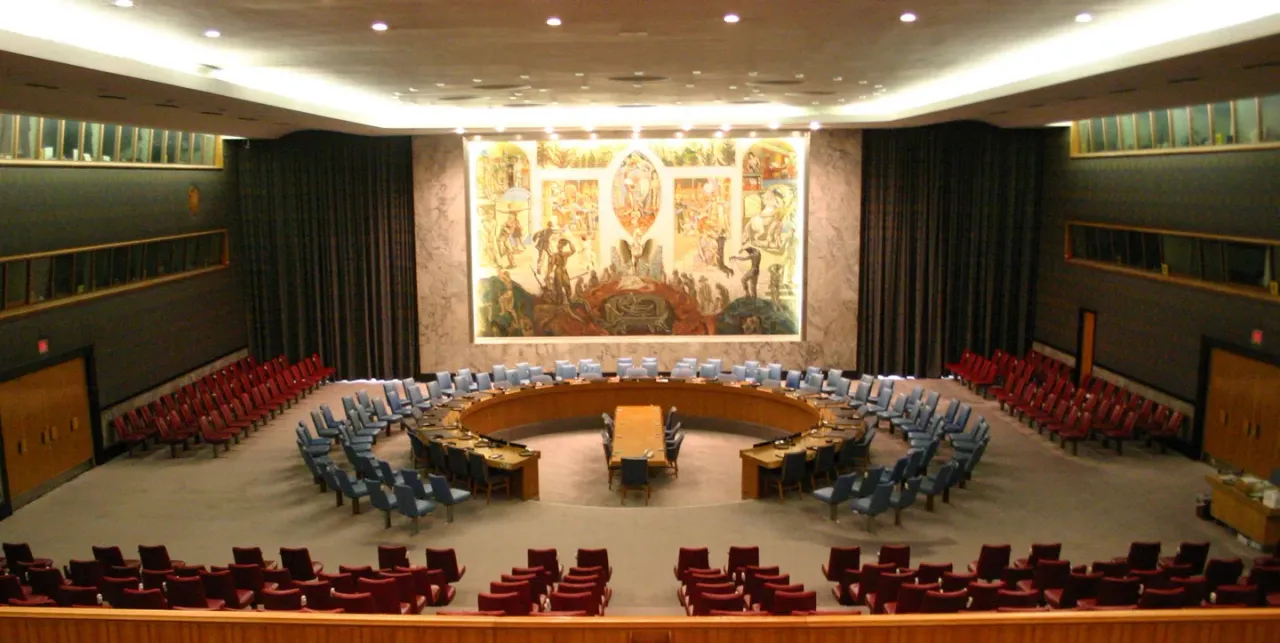
Venue photographs are background material and do not imply authorisation or a partnership. Photograph credits and licences


Bring accounts, conversations, payments and the incident timeline together. A clear record helps explain what happened, where payments went and which details are still missing.
These are static figures retained from the existing project. Their source, methodology and reporting date require verification; they do not establish individual outcomes.
The Anti-Fraud Alliance Publicity Center task force handles online fraud, communications fraud and investment fraud. It has assisted 265,198 people: 183,217 fully recovered, 76,582 recovered 80%, and 5,399 awaiting further action because evidence was insufficient.
Featured guide
Deposits, training charges, paid tasks and false promises of high pay can hide inside a convincing recruitment process. Know the signs and keep advertisements, contracts and payment records.
Read the articleEvidence is the foundation
Bring conversations, payments, accounts and a timeline into one checkable record.